The difference in soil behavior between the Aylmer sector and the Plateau district in Gatineau is striking: Aylmer's post-glacial silty clays drain water at a snail’s pace, while the Plateau's sandy tills often surpass design infiltration rates. That’s precisely why we rely on the Porchet method—augered holes filled and timed—and the double-ring infiltrometer for near-saturated conditions. A proper infiltration test in Gatineau must account for the Ottawa Valley's fluctuating water table and the presence of Leda clay pockets. Before we run the rings, we cross-check the geological map with a densidad cono arena to confirm in situ density, and we often pair the test with permeabilidad campo for a complete hydraulic picture. This layered approach ensures the infiltration rate fits the project’s drainage and foundation requirements.
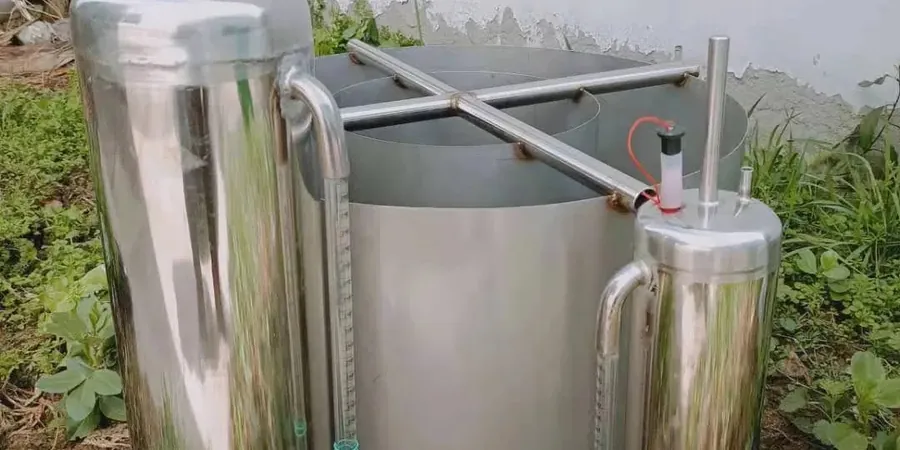
A 24-hour pre-soak in Gatineau's Leda clay can double the measured infiltration rate compared to a test started without saturation.
Scope of work in Gatineau
Demonstration video
Typical technical challenges in Gatineau
A common mistake we see among Gatineau contractors: running an infiltration test without pre-soaking the soil. In the clay-rich soils of Hull or the silt deposits near the Gatineau River, dry tests produce artificially low rates that lead to oversized drainage fields and unnecessary excavation costs. Another error is testing only at one depth — the infiltration rate at 0.5 m often differs drastically from the rate at 2.0 m due to layering from glacial retreat. Without a full infiltration test in Gatineau that includes multiple depths and a proper saturation phase, stormwater designs fail within the first year of operation, causing ponding and basement seepage.
Our services
Complement your infiltration study with these targeted services we provide across Gatineau:
Permeability field testing (Lefranc / packer)
Constant-head and falling-head permeability tests in boreholes for deeper strata assessment. Ideal when the infiltration test indicates lower rates than expected and you need to isolate pervious layers.
Densidad cono arena (Sand cone density)
In-place density testing to verify compaction before infiltration tests. Essential for engineered fill areas in new subdivisions around the Plateau.
soil mechanics investigation (Complete soil mechanics study)
Full laboratory characterization including grain size, Atterberg limits, Proctor compaction, and shear strength. Provides context for infiltration results.
Geotechnical instrumentation
Installation of piezometers and tensiometers for long-term monitoring of water table and soil suction. Useful for large-scale infiltration systems in Aylmer or Gatineau Park fringe areas.
Frequently asked questions
How long does an infiltration test in Gatineau take from setup to final report?
A standard double-ring or Porchet infiltration test requires at least 24 hours for pre-soaking, followed by 2 to 4 hours of field measurements. The final report, including the infiltration curve and design recommendations, is typically delivered within 5 business days after testing.
What is the cost range for a infiltration test (Porchet or double-ring) in Gatineau?
Our typical price for a single-depth infiltration test in Gatineau falls between CA$480 and CA$490. This includes mobilization, equipment setup, 24-hour pre-soak, field measurements, and a detailed report. Additional depths or multiple test locations increase the total, but the base range remains as stated.
Do infiltration test results in Gatineau vary with seasonal frost?
Yes, significantly. The frost front in Gatineau can reach 1.8 m deep in severe winters, altering soil structure and creating macropores. We recommend performing infiltration tests during the growing season (May to October) when the soil is thawed and moisture conditions are representative. If winter testing is unavoidable, we use a heated enclosure and extend the saturation period to 48 hours.